

Cartilage
Also known as: Cartilaginous Tissue, Soft Bone
Overview
Cartilage is a specialized, flexible connective tissue that provides structure, cushioning, and smooth movement in multiple parts of the body. It is found in joints, where it covers the ends of bones; in the rib cage, where it helps connect ribs to the sternum; and in structures such as the ear, nose, intervertebral discs, and airway passages. Unlike bone, cartilage contains no blood vessels, which helps explain both its resilience and its limited capacity for self-repair after injury or age-related degeneration.
There are three main types of cartilage: hyaline cartilage, the most common type, which supports joints and the respiratory tract; elastic cartilage, which gives flexible shape to the ear and parts of the throat; and fibrocartilage, a tougher form found in the meniscus of the knee and in intervertebral discs. Cartilage is composed of cells called chondrocytes embedded in an extracellular matrix rich in collagen, proteoglycans, and water. This matrix allows cartilage to absorb shock, resist compression, and facilitate low-friction motion.
Cartilage health is a major clinical concern because deterioration can contribute to osteoarthritis, joint pain, reduced mobility, sports injuries, and degenerative spine conditions. Research suggests that aging, repetitive mechanical stress, inflammation, metabolic factors, and trauma can all affect cartilage integrity. Because cartilage has limited regenerative capacity, damage may accumulate gradually over time, making prevention, load management, and early assessment important aspects of musculoskeletal care.
From a broader health perspective, cartilage sits at the intersection of orthopedics, rheumatology, sports medicine, rehabilitation, and regenerative medicine. Conventional medicine focuses on biomechanics, imaging, inflammation, and tissue preservation, while traditional systems often interpret cartilage-related problems through patterns involving circulation, nourishment of connective tissues, and age-related decline. Across both perspectives, cartilage is understood as foundational to structural stability and comfortable movement.
Medical Perspectives
Two Ways of Seeing Health

Western
scientific · clinical
Western medicine applies science, technology, and clinical experience to treat symptoms through testing, diagnosis, and targeted intervention.

Eastern
traditional · alternative
Eastern medicine focuses on treating the body naturally by applying traditional knowledge practiced for thousands of years, emphasizing balance and whole-person wellness.
Gold Bamboo presents both perspectives side-by-side so you can make informed decisions. We don't advocate for one over the other — your health choices are yours.
Western Medicine Perspective
Western Medicine Perspective
In conventional medicine, cartilage is understood as a load-bearing connective tissue essential for joint function and skeletal support. Healthy articular cartilage enables smooth motion and distributes forces across joints, reducing friction and protecting underlying bone. Western research has closely examined how cartilage breaks down in conditions such as osteoarthritis, where biochemical changes in the cartilage matrix, chondrocyte dysfunction, low-grade inflammation, and mechanical stress interact over time. Injury-related cartilage defects are also a major focus in sports medicine, particularly in the knee, hip, and ankle.
Assessment of cartilage-related disorders typically involves a combination of clinical history, physical examination, and imaging, especially MRI for soft tissue and cartilage visualization, with X-rays often used to evaluate joint space narrowing and associated bony changes. Laboratory testing may be used when inflammatory or autoimmune joint disease is suspected. Studies indicate that cartilage degeneration is not solely a "wear and tear" process; it can involve complex molecular pathways including cytokines, matrix-degrading enzymes, and altered repair signaling.
Conventional management approaches are generally aimed at reducing pain, preserving function, improving biomechanics, and slowing progression where possible. These may include physical therapy, weight-bearing modification, strength and mobility work, supportive devices, medications for symptom control, injections, and in selected cases, surgical procedures such as cartilage repair, microfracture, osteochondral grafting, or joint replacement. Regenerative strategies involving biologics, stem-cell-related research, and tissue engineering are under active investigation, though evidence quality varies depending on the intervention and condition.
Eastern & Traditional Perspective
Eastern and Traditional Medicine Perspective
In Traditional Chinese Medicine (TCM), cartilage is not typically discussed as an isolated tissue category in the same way it is in Western anatomy. Instead, symptoms involving joints, stiffness, weakness, and impaired mobility are often interpreted through broader functional patterns such as Kidney deficiency, Liver blood insufficiency, or Bi syndromes involving wind, cold, dampness, and stagnation. The Kidneys are traditionally said to "govern the bones," while the Liver is associated with the nourishment of tendons and smooth movement. From this perspective, degeneration in cartilage-related structures may be viewed as reflecting age-related decline, impaired nourishment of connective tissues, or obstruction of circulation in the channels.
Traditional East Asian approaches have historically used combinations of acupuncture, moxibustion, movement practices, manual therapies, and herbal formulations in the context of joint discomfort and reduced function. Research suggests acupuncture may help some individuals with osteoarthritis-related pain and function, although these studies generally evaluate symptom relief rather than direct cartilage regeneration. Traditional systems often emphasize restoring balance, supporting circulation, and improving the body's capacity to maintain structural integrity over time.
In Ayurveda, cartilage-related degeneration may be interpreted through concepts involving Vata imbalance, tissue depletion, and impaired nourishment of the body's structural tissues, including asthi dhatu and related support systems. Joint dryness, cracking, stiffness, and age-associated wear are commonly understood within this framework. Ayurvedic practice has traditionally used dietary principles, bodywork, herbal preparations, and cleansing or restorative approaches depending on the individual's constitution and presentation.
In naturopathic and integrative medicine, cartilage health is often considered through a whole-person lens that includes inflammation, nutrient status, mechanical stress, metabolism, and lifestyle patterns. Integrative frameworks may discuss compounds such as glucosamine, chondroitin, collagen peptides, or anti-inflammatory botanicals, though the evidence for structural cartilage restoration remains mixed. Across traditional systems, the emphasis is generally less on isolated tissue repair and more on mobility, circulation, resilience, and long-term functional balance, ideally with care coordinated alongside qualified healthcare professionals.
Supplements & Products
Recommended Products
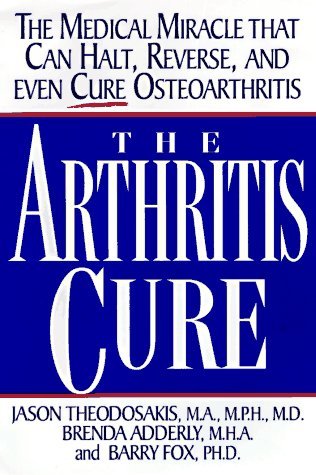
The Arthritis Cure: Theodosakis, Jason
By outlining a nine-point program that includes a new effective supplement, ASU, The Arthritis Cure Revised Edition <strong>describes a program that can halt, reverse, and possibly even cure degenerat
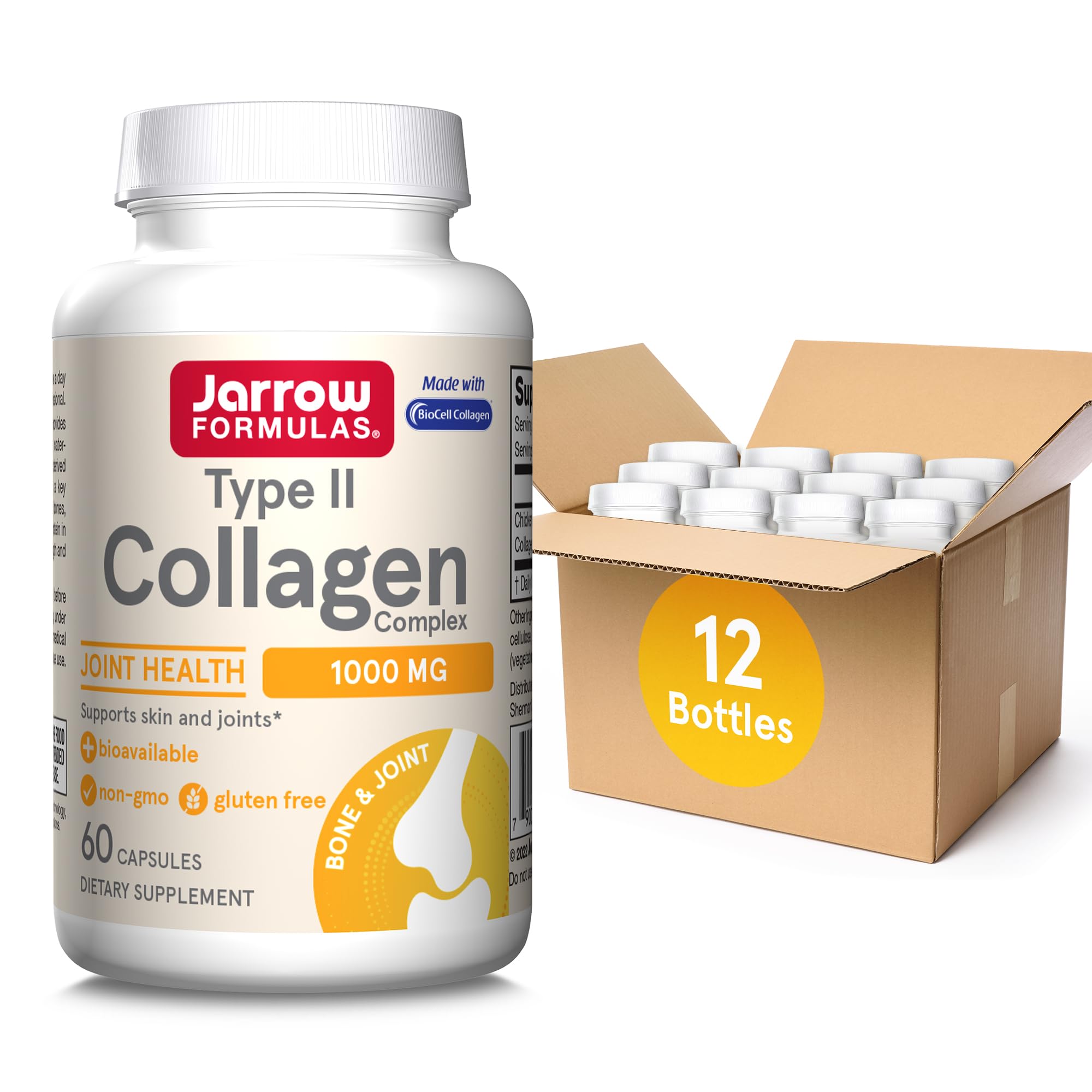
Jarrow Formulas® Type II Collagen Complex 1000 mg Supplements, Supports Skin and Joint Health, 60 Capsules, 30 Day Supply
This clinically researched, patented and naturally derived dietary ingredient joint supplement formula <strong>supports hair skin and joint health</strong>.(1) Jarrow type 2 collagen for skin and join

Doctor's BEST Glucosamine Chondroitin MSM - Joint Health Support Supplement for Women & Men, Nutritional Support for Joint Strength, Hair, Skin, & Nails, Gluten Free, Non GMO - 240 Capsules
Doctor's Best Glucosamine Chondroitin Msm with OptiMSM Capsules, Joint Support Supplement Supports Healthy Joint Structure, Function & Comfort, Non-GMO, Gluten Free, Soy Free, 360 Count
Evidence & Sources
Promising research with growing clinical support from multiple studies
- National Institute of Arthritis and Musculoskeletal and Skin Diseases (NIAMS)
- National Institute of Biomedical Imaging and Bioengineering (NIBIB)
- National Center for Complementary and Integrative Health (NCCIH)
- World Health Organization (WHO)
- Osteoarthritis and Cartilage
- Nature Reviews Rheumatology
- The Lancet Rheumatology
- Arthritis & Rheumatology
- Journal of Orthopaedic Research
This content is for informational purposes only and does not constitute medical advice. Always consult a qualified healthcare provider before starting, stopping, or changing any supplement or medication regimen.