

Cardiovascular System
Also known as: Circulatory System, Heart and Blood Vessels
Cardiovascular System Overview
The cardiovascular system is the body system responsible for circulating blood through the heart, blood vessels, and an intricate network of arteries, veins, and capillaries. Its central functions include delivering oxygen, nutrients, hormones, and immune cells to tissues while carrying away carbon dioxide and metabolic waste products for processing and elimination. At the center of this system is the heart, a muscular pump that works continuously to maintain blood flow, support organ function, and help regulate blood pressure and body temperature.
From a public health perspective, the cardiovascular system is foundational because its health influences nearly every organ system. When circulation is impaired, the effects may extend far beyond the heart itself, affecting the brain, kidneys, lungs, liver, and peripheral tissues. Cardiovascular disorders remain among the leading causes of illness and mortality worldwide, with conditions such as hypertension, coronary artery disease, heart failure, stroke, and peripheral vascular disease representing major clinical burdens. Research from organizations such as the World Health Organization and the American Heart Association consistently highlights cardiovascular disease as one of the most significant contributors to global disability and premature death.
A healthy cardiovascular system depends on the coordinated function of multiple components: the electrical conduction system of the heart, the elasticity and integrity of blood vessels, balanced blood volume, and appropriate regulation by the nervous, endocrine, renal, and metabolic systems. Factors associated with cardiovascular strain include aging, tobacco exposure, chronic inflammation, high blood pressure, lipid abnormalities, diabetes, sedentary behavior, poor sleep, psychosocial stress, and certain genetic predispositions. At the same time, cardiovascular status is dynamic, and research suggests that many risk patterns are influenced by long-term lifestyle, environmental exposures, and access to preventive healthcare.
Because the cardiovascular system sits at the intersection of circulation, metabolism, and whole-body resilience, it is often viewed through both biomedical and traditional medicine frameworks. Conventional medicine focuses on anatomy, physiology, measurable risk factors, and disease mechanisms. Traditional systems often interpret cardiovascular function more broadly, linking circulation to vitality, emotional balance, digestion, and systemic harmony. Together, these perspectives offer complementary ways of understanding how blood flow, vascular tone, energy regulation, and overall wellbeing are interconnected. Any concerning cardiovascular symptoms or chronic risk factors warrant evaluation by a qualified healthcare professional.
Medical Perspectives
Two Ways of Seeing Health

Western
scientific · clinical
Western medicine applies science, technology, and clinical experience to treat symptoms through testing, diagnosis, and targeted intervention.

Eastern
traditional · alternative
Eastern medicine focuses on treating the body naturally by applying traditional knowledge practiced for thousands of years, emphasizing balance and whole-person wellness.
Gold Bamboo presents both perspectives side-by-side so you can make informed decisions. We don't advocate for one over the other — your health choices are yours.
Western Medicine Perspective
Western / Conventional Medicine Perspective
In conventional medicine, the cardiovascular system is understood through cardiac anatomy, vascular biology, hemodynamics, and electrophysiology. The heart is divided into four chambers that coordinate the movement of blood through the pulmonary and systemic circulation. Arteries carry blood away from the heart under pressure, veins return blood to the heart, and capillaries facilitate the exchange of gases, nutrients, and waste at the tissue level. Modern cardiology also emphasizes the role of the endothelium—the inner lining of blood vessels—in regulating vascular tone, clotting, inflammation, and blood flow.
Western medicine identifies several major mechanisms that contribute to cardiovascular disease, including atherosclerosis, hypertension-related vascular damage, thrombosis, arrhythmias, structural heart disease, and impaired myocardial function. Research indicates that risk accumulates through a combination of modifiable and non-modifiable factors, such as age, family history, high LDL cholesterol, insulin resistance, obesity, smoking, chronic kidney disease, inflammatory disorders, and sedentary lifestyle. Screening tools and biomarkers—such as blood pressure measurement, lipid panels, blood glucose testing, electrocardiography, echocardiography, coronary imaging, and vascular studies—are used to assess function and estimate risk.
The conventional approach to cardiovascular health places strong emphasis on prevention, early detection, and risk reduction. Clinical frameworks often focus on blood pressure control, lipid management, tobacco avoidance, physical activity, nutrition patterns associated with cardiometabolic health, and management of diabetes and kidney disease. When disease is present, care may involve medications, interventional procedures, implanted devices, rehabilitation, and ongoing monitoring. Evidence-based guidelines continue to evolve as large clinical trials improve understanding of prevention and treatment strategies. Even so, conventional medicine also recognizes the importance of individualized care, especially in complex patients with overlapping metabolic, inflammatory, or age-related conditions.
A growing area of interest within Western medicine is the influence of stress, sleep, social determinants of health, and chronic low-grade inflammation on cardiovascular outcomes. Studies suggest that cardiovascular risk is not explained by cholesterol and blood pressure alone; psychosocial burden, environmental factors, and access to care also play substantial roles. This broader view increasingly overlaps with integrative models that consider mind-body interactions and whole-person health.
Eastern & Traditional Perspective
Eastern / Traditional Medicine Perspective
In Traditional Chinese Medicine (TCM), the heart is often described as governing the blood and housing the Shen, a concept associated with consciousness, emotional balance, and mental clarity. Circulation is viewed not only as a mechanical process but also as an expression of the harmonious movement of Qi and Blood through the channels. Traditional patterns associated with cardiovascular imbalance may include Heart Qi deficiency, Blood stasis, Yang deficiency, Phlegm obstruction, or Liver Qi stagnation affecting circulation. Symptoms such as palpitations, chest discomfort, fatigue, poor sleep, emotional unrest, or cold extremities may be interpreted within these broader functional patterns rather than as isolated organ findings.
Traditional East Asian approaches have historically used acupuncture, herbal formulas, movement practices, breathing methods, and dietary therapy to support circulation and systemic balance. Modern research on these approaches is mixed but growing. Some studies suggest acupuncture may influence autonomic regulation, perceived stress, blood pressure, and symptom burden in selected populations, though findings vary and methodological quality is uneven. Herbal medicine has a long history of traditional use for circulation-related patterns, but contemporary safety evaluation is especially important because some herbs may interact with anticoagulants, cardiovascular medications, or underlying cardiac conditions.
In Ayurveda, cardiovascular health is often considered through the lens of Hridaya (the heart), circulation, tissue nourishment, and the balance of doshas, particularly Vata, Pitta, and Kapha. Disturbance in circulation may be linked conceptually to impaired digestive and metabolic processes, accumulation, stress, or disruption of systemic rhythms. Traditional Ayurvedic care has included herbal preparations, diet and lifestyle balancing, breathing practices, oil therapies, and meditation-oriented approaches intended to support resilience and equilibrium. As with other traditional systems, contemporary interpretation varies widely, and scientific evidence for specific cardiovascular outcomes differs substantially by intervention.
Naturopathic and other traditional or integrative frameworks often emphasize the cardiovascular system as being closely connected with inflammation, oxidative stress, nutrition, stress physiology, sleep, and physical vitality. These systems frequently frame cardiovascular wellbeing as a whole-body process rather than a heart-only issue. While some traditional practices are being studied in relation to blood pressure, stress reduction, endothelial function, and quality of life, evidence remains stronger for certain lifestyle-oriented practices than for many specific traditional therapies. For individuals with established cardiovascular disease, consultation with qualified healthcare professionals is especially important before combining conventional and traditional approaches.
Supplements & Products
Recommended Products

Prevent and Reverse Heart Disease: The Revolutionary, Scientifically Proven, Nutrition-Based Cure: Caldwell B. Esselstyn Jr.
<strong>Caldwell Esselstyn, Jr., is certainly the father (and the mother) of the now proven hypothesis that you can reverse severe arterial disease</strong> (including severe disease of the arteries s

Nordic Naturals Ultimate Omega, Lemon Flavor - 180 Soft Gels - 1280 mg Omega-3 - High-Potency Fish Oil with EPA & DHA - Promotes Brain & Heart Health - Non-GMO - 90 Servings
Buy Nordic Naturals Ultimate Omega, Lemon Flavor - 180 Soft Gels - 1280 mg Omega-3 - High-Potency Fish Oil with EPA & DHA - Promotes Brain & Heart Health - Non-GMO - 90 Servings on Amazon.com
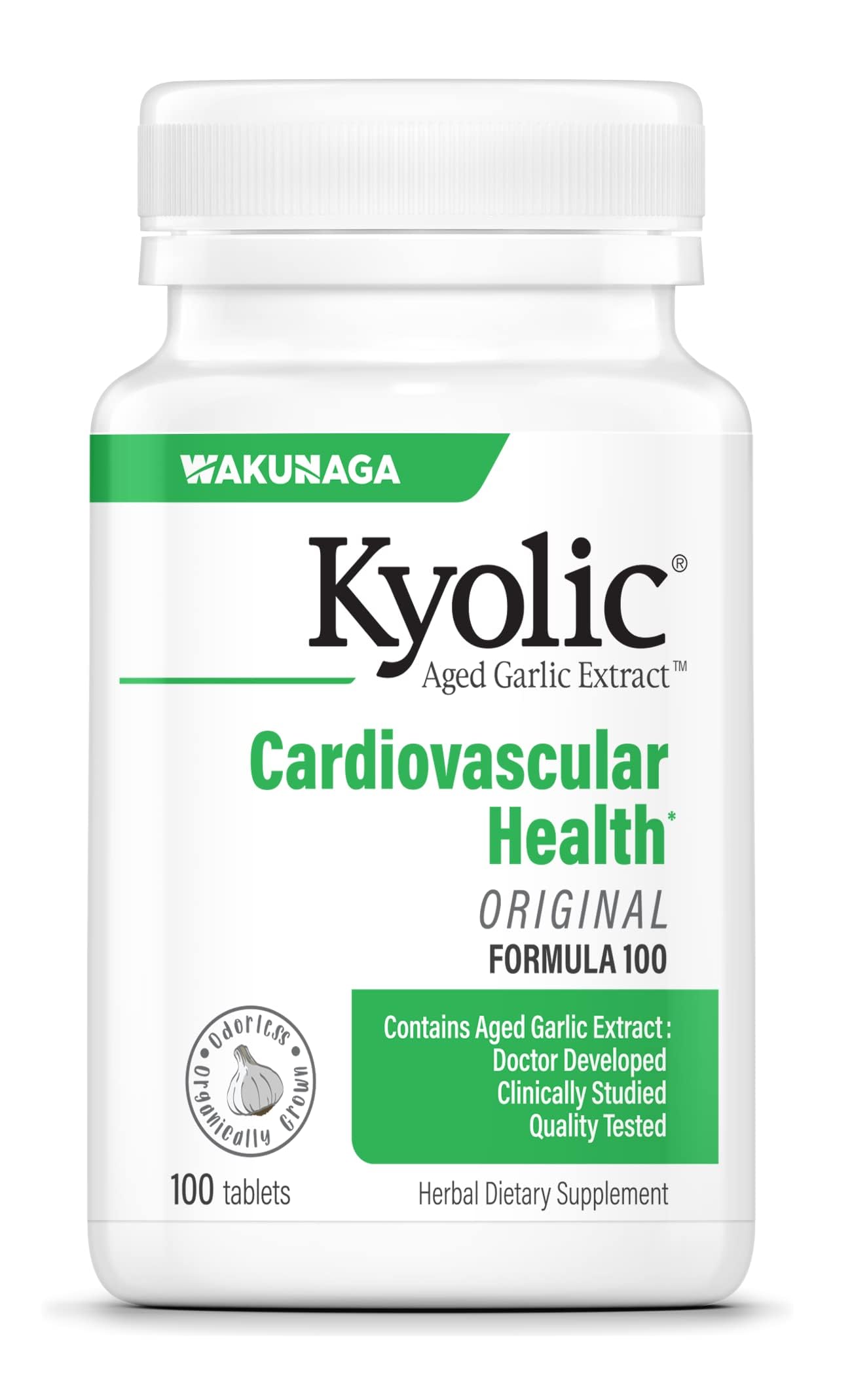
Kyolic Aged Garlic Extract Formula 100, Cardiovascular Health*, 300 Capsules.
CARDIOVASCULAR HEALTH: By helping to maintain circulatory function, this formula <strong>supports and strengthens your cardiovascular system and promotes overall heart health</strong>.* Made with orga
Evidence & Sources
Supported by multiple clinical trials and systematic reviews
- World Health Organization (WHO) – Cardiovascular Diseases
- American Heart Association (AHA) Scientific Statements
- National Heart, Lung, and Blood Institute (NHLBI)
- European Society of Cardiology (ESC) Guidelines
- Centers for Disease Control and Prevention (CDC) – Heart Disease
- Journal of the American College of Cardiology
- Circulation
- The Lancet
- National Center for Complementary and Integrative Health (NCCIH)
- Journal of Ethnopharmacology
This content is for informational purposes only and does not constitute medical advice. Always consult a qualified healthcare provider before starting, stopping, or changing any supplement or medication regimen.