

Adaptive Immunity
Also known as: Acquired Immunity, Specific Immunity
Adaptive Immunity
Adaptive immunity is the specialized arm of the immune system that learns to recognize specific threats and responds with increasing precision over time. Unlike innate immunity, which provides rapid but relatively nonspecific defense, adaptive immunity develops targeted responses against particular pathogens such as viruses, bacteria, fungi, and parasites. Its defining features are specificity, memory, and the ability to distinguish many foreign antigens from the body’s own tissues.
This system is primarily carried out by B lymphocytes and T lymphocytes. B cells are involved in humoral immunity, producing antibodies that bind to specific antigens and help neutralize or clear them. T cells support immune coordination and direct cellular defense: helper T cells regulate immune signaling, while cytotoxic T cells identify and destroy infected or abnormal cells. After an infection or vaccination, some of these cells persist as memory cells, allowing faster and stronger responses upon later exposure to the same threat.
Adaptive immunity is central to long-term protection from infectious disease and to the effectiveness of vaccination. It also plays a major role in allergy, chronic inflammation, transplant rejection, and autoimmune conditions in which immune recognition becomes misdirected. Because of this broad influence, adaptive immunity is a major focus in modern medicine, including vaccine science, immunotherapy, infectious disease research, and cancer treatment.
Adaptive immune function is shaped by genetics, age, nutritional status, microbial exposures, stress physiology, sleep, and overall health status. Research suggests that healthy immune regulation depends not only on the strength of immune activation, but also on the body’s ability to maintain balance and tolerance—mounting a response when needed while limiting unnecessary or self-reactive inflammation. This balance is a point of overlap between conventional immunology and many traditional medical systems, though the frameworks and terminology differ substantially.
Medical Perspectives
Two Ways of Seeing Health

Western
scientific · clinical
Western medicine applies science, technology, and clinical experience to treat symptoms through testing, diagnosis, and targeted intervention.

Eastern
traditional · alternative
Eastern medicine focuses on treating the body naturally by applying traditional knowledge practiced for thousands of years, emphasizing balance and whole-person wellness.
Gold Bamboo presents both perspectives side-by-side so you can make informed decisions. We don't advocate for one over the other — your health choices are yours.
Western Medicine Perspective
Western Medicine Perspective
In conventional medicine, adaptive immunity is understood through cellular and molecular immunology. When antigen-presenting cells such as dendritic cells encounter a pathogen, they process its components and present antigen fragments to T cells. This triggers a cascade of immune activation, including T-cell differentiation, B-cell maturation, antibody production, and the formation of immunologic memory. These mechanisms are studied in detail through laboratory immunology, infectious disease medicine, hematology, rheumatology, allergy/immunology, and oncology.
Adaptive immunity is often assessed indirectly through clinical history, vaccine responses, blood counts, immunoglobulin levels, lymphocyte subsets, autoantibody testing, and other specialized immune studies. Disorders involving adaptive immunity include primary immunodeficiencies, secondary immunosuppression, autoimmune diseases, allergic diseases, and some forms of chronic infection or immune dysregulation. Conventional care may involve vaccination strategies, antimicrobial therapy, immune-modifying medications, biologics, immunoglobulin replacement, or advanced therapies such as monoclonal antibodies and cellular immunotherapies, depending on the condition being evaluated.
A major area of modern research concerns how adaptive immunity interacts with the microbiome, metabolism, aging, and environmental exposures. Studies indicate that adaptive immune responses can be influenced by nutrition, sleep quality, chronic stress, and systemic inflammation, though these relationships are complex and not reducible to simple “immune boosting” claims. In clinical medicine, the emphasis is generally on immune competence and regulation rather than indiscriminate stimulation.
From a public health perspective, adaptive immunity underlies the success of vaccination programs, which train the immune system to recognize pathogens before natural exposure occurs. This principle has transformed outcomes for many infectious diseases and remains one of the clearest examples of adaptive immune memory in practice. Anyone with concerns about recurrent infection, immune deficiency, autoimmune symptoms, or vaccine-related questions is generally best served by discussion with a qualified healthcare professional.
Eastern & Traditional Perspective
Eastern and Traditional Medicine Perspective
Traditional medical systems do not describe adaptive immunity in the same cell-based language used in modern immunology, but many contain longstanding concepts related to resistance, resilience, recovery, and host defense. In Traditional Chinese Medicine (TCM), protective function is often discussed through concepts such as Wei Qi (defensive qi), the strength of the body’s vital energy, and the balance between upright qi and pathogenic influences. While these ideas are not direct equivalents of B cells, T cells, or antibodies, they reflect an enduring interest in how the body recognizes and resists illness while maintaining internal harmony.
In Ayurveda, immune resilience is often considered through concepts such as Ojas, digestive/metabolic balance, tissue nourishment, and the body’s capacity to maintain vitality under stress. Traditional frameworks frequently connect susceptibility to illness with imbalance in broader systems involving digestion, sleep, mental state, environment, and constitution. Naturopathic and integrative traditions similarly tend to emphasize terrain, restoration, and whole-person factors that may influence immune regulation.
Herbal medicine, meditation, breathing practices, dietary traditions, and restorative lifestyle approaches have all been traditionally used in these systems to support the body during periods of vulnerability or recovery. Some contemporary research has examined whether certain botanicals, mind-body practices, or microbiome-supportive approaches may influence aspects of immune signaling, inflammation, or vaccine responsiveness. However, evidence varies considerably by intervention, and traditional concepts cannot be mapped one-to-one onto adaptive immunity as defined in biomedical science.
An integrative view often treats adaptive immunity as one part of a larger picture that includes barrier function, inflammation, stress adaptation, and constitutional health. This perspective may be meaningful for patients seeking a broader understanding of immune resilience, but it remains important to distinguish traditional theory from established immunologic mechanisms. For persistent infections, suspected immune disorders, autoimmune disease, or significant constitutional symptoms, evaluation by appropriately trained healthcare professionals is important.
Supplements & Products
Recommended Products

How the Immune System Works
Sompayrac cuts through the jargon and details to reveal, in simple language, the essence of this complex subject: <strong>how the immune system fits together, how it protects us from disease and, perh

Gaia Herbs Astragalus Supreme - Immune & Antioxidant Support* - Herbal Supplement with Astragalus Root, Schisandra Berry & Ligustrum - 60 Vegan Liquid Phyto-Caps (30 Servings)
Buy <strong>Gaia Herbs Astragalus Supreme</strong> - Immune & Antioxidant Support* - Herbal Supplement with Astragalus Root, Schisandra Berry & Ligustrum - 60 Vegan Liquid Phyto-Caps (30 Servi
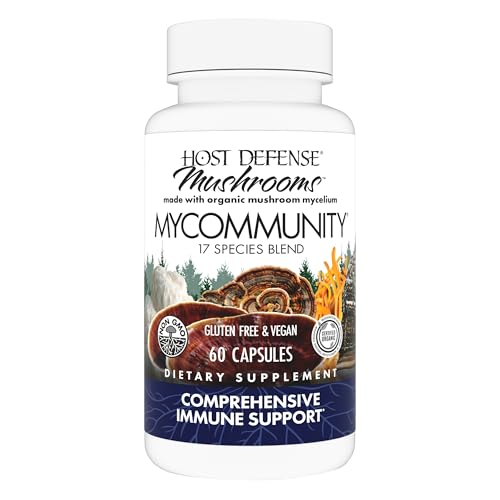
Host Defense MyCommunity Capsules - 17 Species Blend Mushroom Supplement for Immune Support - Herbal Aid with Lion's Mane, Reishi. Chaga, Cordyceps, Turkey Tail & More - 120 Capsules
Oyster Mushroom (Pleurotus ostreatus) mycelium/rice biomass, Artist's Conk (Ganoderma applanatum) mycelium/rice biomass, Oregon Ganoderma (Ganoderma oregonense) mycelium/rice biomass, Agarikon (f
Evidence & Sources
Supported by multiple clinical trials and systematic reviews
- Abbas, Lichtman & Pillai, Cellular and Molecular Immunology
- Janeway's Immunobiology
- Nature Reviews Immunology
- The New England Journal of Medicine
- Centers for Disease Control and Prevention (CDC)
- World Health Organization (WHO)
- National Institute of Allergy and Infectious Diseases (NIAID)
- National Center for Complementary and Integrative Health (NCCIH)
This content is for informational purposes only and does not constitute medical advice. Always consult a qualified healthcare provider before starting, stopping, or changing any supplement or medication regimen.