Overview
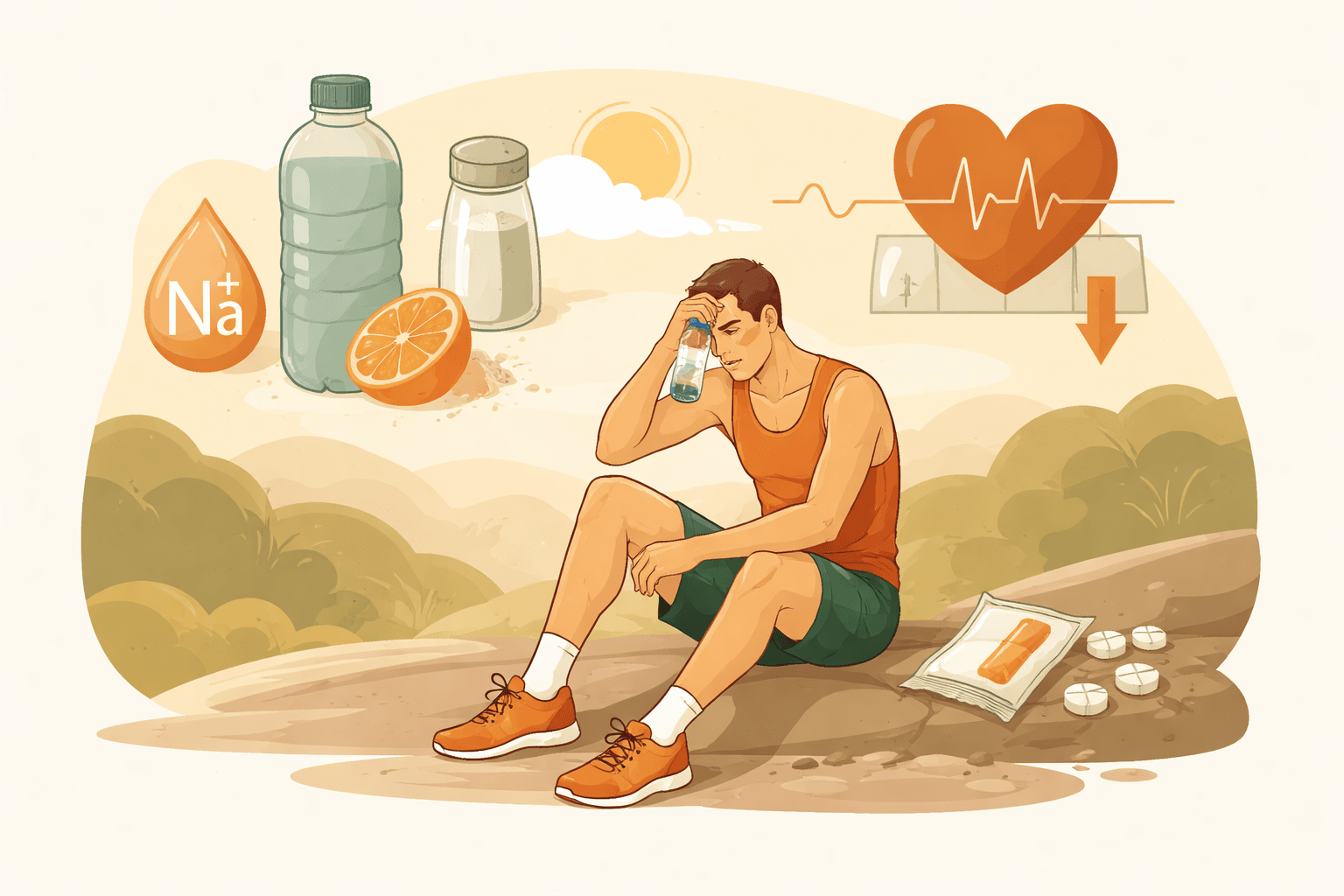
Exercise-associated hyponatremia (EAH) — abnormally low blood sodium during or up to 24 hours after prolonged exercise — can derail performance and, in rare cases, become life-threatening. This focused guide explains what EAH is, why it happens, who is most at risk, the science behind sweat and oral rehydration, and how traditional hydration practices fit in. It aims to help athletes and active people separate evidence from hype without offering medical advice or dosage instructions.
What is EAH and why it matters
- Definition: EAH is typically defined as serum sodium <135 mmol/L occurring during or within a day after exercise. It arises when water intake and fluid retention outpace sodium availability in the blood. (Evidence: strong; Hew-Butler et al., 2015 international consensus; Wilderness Medical Society guidelines 2020)
- How common: Research in large endurance events reports EAH prevalence ranging from under 1% to more than 10%, with severe cases being rare but documented. Notably, a study of Boston Marathon finishers found 13% had hyponatremia, with risk tied to weight gain from overdrinking. (Evidence: strong; Almond et al., N Engl J Med 2005; Hew-Butler et al., 2015)
Why it happens: the physiology in brief
- Dilution effect: Drinking large volumes of low-sodium fluids (plain water or diluted beverages) can dilute plasma sodium, especially when exercise stimulates antidiuretic hormone (ADH) that reduces urine output. (Evidence: strong; Hew-Butler et al., 2015 consensus)
- Sodium losses: Sodium is lost in sweat. While sweat sodium varies widely, substantial losses over hours of activity can further tip balance toward low sodium if only water is consumed. (Evidence: strong; Baker, Sports Medicine 2017 review)
- Not just heat: EAH occurs in cold-weather events as well, where thirst cues can be misleading and athletes may still overconsume fluids. (Evidence: strong; Hew-Butler et al., 2015)
Who is most at risk
Research suggests the following factors are associated with higher EAH risk:
- High fluid intake relative to losses, particularly with weight gain during the event (a practical red flag). (Evidence: strong; Almond 2005; Hew-Butler 2015)
- Longer event duration or slower pace, which increases the drinking window. (Evidence: strong; Hew-Butler 2015 consensus)
- Use of nonsteroidal anti-inflammatory drugs (NSAIDs), which may impair kidney water excretion. (Evidence: moderate; observational data summarized in consensus documents)
- Smaller body size and female sex have been associated in some cohorts, likely reflecting differences in pace and intake; causality is not established. (Evidence: moderate; Almond 2005; consensus reviews)
Recognizing EAH during or after events
Symptoms can overlap with dehydration, making context critical. Research suggests the combination of symptoms plus weight gain from start to finish increases suspicion for EAH.
- Early/mild: Headache, nausea, bloating, swollen hands, lightheadedness, unusual fatigue. (Evidence: strong; Wilderness Medical Society guidelines 2020)
- Moderate/severe: Confusion, vomiting, agitation, seizures, loss of consciousness — these are medical emergencies. (Evidence: strong; WMS guidelines 2020)
Sweat science: why one-size electrolyte advice falls short
- Wide variability: Sweat sodium concentration varies roughly 10-fold among individuals (about 20–80 mmol/L; approximately 200–2000 mg/L), influenced by genetics, acclimation, diet, and training. (Evidence: strong; Baker, Sports Medicine 2017; practical field studies)
- Implication: Two athletes doing the same session can have very different sodium losses. Marketing-driven “universal” electrolyte targets may not fit everyone. (Evidence: moderate; consensus statements and variability data)
Oral rehydration science: when sodium and glucose together may help
- Sodium–glucose cotransport: The small intestine absorbs water more effectively when sodium and glucose are co-ingested via the SGLT1 transporter. This mechanism underpins the World Health Organization oral rehydration solution (ORS) used in clinical dehydration. (Evidence: strong; WHO ORS science; Maughan & Leiper physiology reviews)
- Exercise application: Compared with plain water, beverages containing sodium and modest carbohydrate generally improve fluid retention and help maintain plasma volume during prolonged exercise with heavy sweating. (Evidence: strong; American College of Sports Medicine position stands; laboratory crossover trials summarized in systematic reviews)
- Not always needed: For short, low-to-moderate sessions where sweat losses are limited, research suggests drinking to thirst with typical meals may be sufficient for most athletes. (Evidence: moderate; ACSM and consensus guidance emphasizing individualized, thirst-informed intake)
Marketing versus meaningful use of electrolytes
- The hype: Many sports drinks emphasize electrolytes but provide relatively small sodium amounts per serving, while being high in sugar. These products may not prevent EAH if overconsumed, because water excess remains the primary driver. (Evidence: moderate; formulation analyses; EAH pathophysiology in consensus statements)
- The nuance: During long-duration efforts or in “salty sweaters,” including dietary sodium (from sports products or foods) may help maintain fluid balance when paired with appropriate fluid intake. The key is matching intake to losses rather than chasing fixed targets. (Evidence: strong for principle; consensus statements; Baker 2017)
Traditional hydration wisdom: what fits the science
- Coconut water: Naturally high in potassium and low in sodium. Small studies report similar rehydration to some sports drinks after moderate dehydration, though its low sodium content may not be ideal in very high sweat-sodium scenarios. (Evidence: moderate for equivalence in small RCTs; emerging for performance outcomes)
- Broths and salted foods: Traditional practices — bone broth, salted rice porridges, pickled vegetables — supply sodium and fluid together. These align with the sodium–glucose (or sodium–amino acid) co-transport principle, though controlled athletic performance data are limited. (Evidence: traditional with mechanistic plausibility; emerging in sports-specific research)
- Salt traditions: Historical endurance practices used salt tablets or salty foods. Modern guidance emphasizes individualized strategies rather than blanket salt dosing. (Evidence: moderate on risk reduction principles; strong against overdrinking)
Practical, evidence-aligned strategies to discuss with your coach or clinician
- Monitor body mass change around key sessions and events. Avoiding net weight gain during prolonged exercise is associated with lower EAH risk. (Evidence: strong; Almond 2005; consensus)
- Use thirst and conditions to guide intake. Thirst-based strategies may reduce overdrinking for many, particularly in cool conditions, while hotter, longer events may require more structured plans. (Evidence: moderate; ACSM and consensus guidance)
- Consider sodium sources when sweat losses are high and duration is long. Options range from purpose-designed drinks to familiar foods (e.g., broths, savory snacks), keeping total fluid intake in check. (Evidence: strong for concept; emerging for specific foods)
- Be cautious with NSAIDs around long events and discuss alternatives with a professional. (Evidence: moderate; observational associations)
- Practice in training to understand your individual responses to fluid and sodium under different weather and intensity conditions. (Evidence: moderate; expert consensus)
What the research does not support
- One-size-fits-all electrolyte rules. Large inter-individual differences in sweat rate and sodium concentration make rigid targets unreliable. (Evidence: strong; Baker 2017)
- Overreliance on water alone in long, sweaty events. Plain water intake that outpaces losses increases EAH risk. (Evidence: strong; Hew-Butler 2015; WMS 2020)
Bottom line
EAH is primarily a dilution problem: too much low-sodium fluid relative to what your body is losing and retaining. Research suggests athletes may reduce risk by avoiding weight gain during events, letting thirst inform intake, and including sodium alongside fluids during long, high-sweat efforts. The science behind oral rehydration supports pairing sodium with carbohydrate to enhance absorption, while traditional options like broths can align with these principles. Not everyone needs an electrolyte drink for every workout, and more isn’t better — individualized, practiced strategies remain the evidence-based path.
References and notes
- Hew-Butler T et al. Statement of the 3rd International Exercise-Associated Hyponatremia Consensus Development Conference. 2015. (Consensus; strong)
- Wilderness Medical Society Clinical Practice Guidelines for Exercise-Associated Hyponatremia. 2020. (Guidelines; strong)
- Almond CS et al. Hyponatremia among runners in the Boston Marathon. N Engl J Med. 2005. (Observational; strong)
- Baker LB. Sweating rate and sweat sodium concentration in athletes: a review. Sports Med. 2017. (Review; strong)
- American College of Sports Medicine. Exercise and fluid replacement position stands. (Consensus; strong)
- WHO Oral Rehydration Solution science and SGLT1 mechanism summarized in gastroenterology and physiology reviews. (Mechanistic; strong)
This article is for educational purposes only and does not provide medical advice or dosage recommendations. Consult a qualified sports medicine professional for personalized guidance.